Tool selection
Compare framing, finish, brad, roofing and stapling tools by material, fastener gauge, head type and magazine format.
Service pillars
Service starts with the practical question on the bench: is the fastener right, is the air supply steady, and is the tool being maintained in a way that keeps each drive predictable.
Horizontal support track
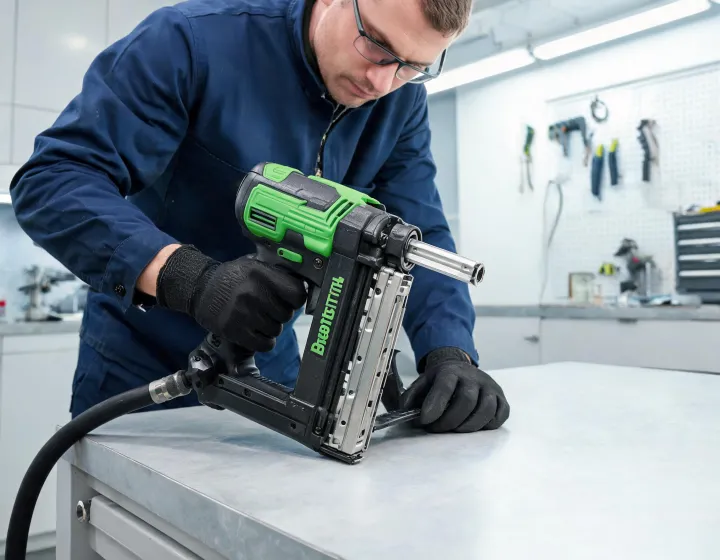
Bostitch support is organized around the way users describe a job. A trim carpenter may mention proud nails, a roofer may mention coil feed, and a workshop owner may start with a compressor that cannot recover quickly enough. Each path turns those plain-language notes into focused checks.
Compare framing, finish, brad, roofing and stapling tools by material, fastener gauge, head type and magazine format.
Review compressor tank size, PSI range, hose length, coupler condition and recovery behavior for consistent pneumatic firing.
Walk through driver blade wear, nose cleaning, seal checks, lubrication needs and safe jam clearing before downtime grows.
Get clear notes for crews, rental counters or purchasing teams so the same setup can be repeated across similar tasks.
Impact stats
The service approach is deliberately calm and practical. Instead of assuming that every problem requires a new tool, the review starts with the fastener, the work surface, the air path and the maintenance history. A nail gun that skips may need different nails, a cleaner nose, a better compressor cycle or a service part; a stapler that crushes material may need depth adjustment and a second look at crown width. That order matters because it protects budgets and reduces avoidable returns. For purchasing teams, the same logic helps standardize kits across crews so training, spare parts and consumables stay easier to manage.
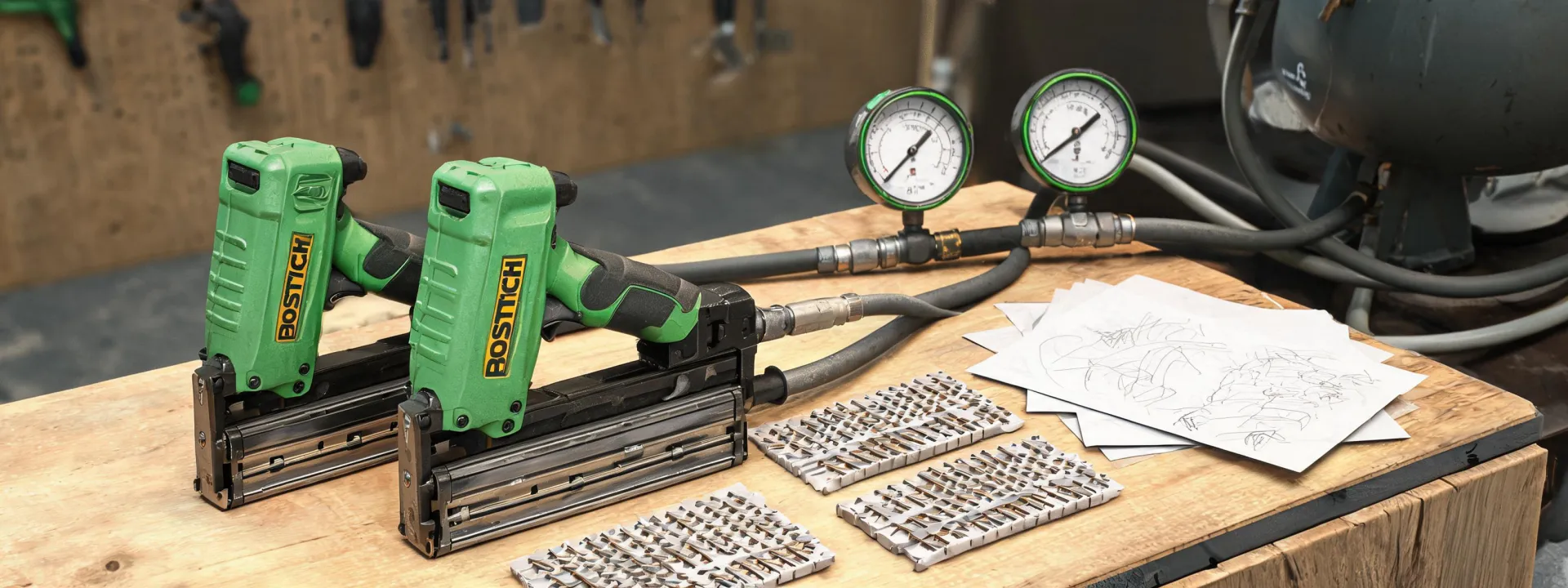
Send the material, fastener size, tool model if known, and compressor details. The answer will focus on the few checks that matter first.
Ask Support