March 2023: The Quote That Looked Too Good
On March 14, 2023, I was sitting in our receiving bay with a clipboard and a bad feeling. I'm the quality and brand compliance manager for a regional hardware distributor. I review every tool order before it reaches customers—roughly 200+ SKUs a year. I've been doing this for four years. Most days, that means checking specs, part numbers, and packaging. That day, it meant catching a mistake that would have cost us about $18,000 in returns and rework.
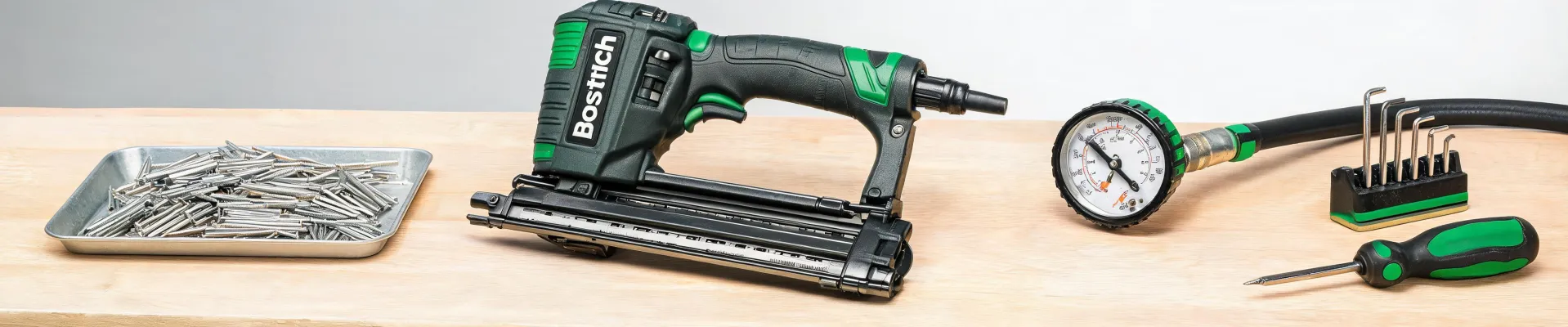
We were upgrading our shop and showroom kit. The list included a Bostitch 150 PSI 6 gallon air compressor, a Bostitch hammer stapler, a TSTAK II hand tool case, a GSX series 26" 4-drawer tool chest, and a stack of circular saw blades for the millwork team. The quote from a new vendor came in 14% below the next closest bid. From the outside, that looked like efficiency. The reality was that the quote had been built on omissions.
What the Low Quote Didn't Say
I've learned to ask 'what's not included' before 'what's the price.' So I did. The vendor's first reply was vague: 'Standard setup.' That's not a spec. I pushed again. Turns out, the compressor quote didn't include a regulator, hose, or startup kit. The TSTAK case wasn't the II version—it was an older case that wouldn't stack with our existing units. The GSX chest had the right drawer count but not the 100-lb drawer slides we specified. And the saw blades were all 24-tooth general-purpose blades, even though half our cuts were finish trim.
That last part matters. How many teeth are best for a circular saw blade depends on the material and finish. For framing and ripping, 24 teeth is usually the right call—it cuts fast and clears chips. For general crosscuts in hardwood, 40 teeth is a better all-around choice. For trim, veneer, or melamine, 60 teeth or more gives you a cleaner edge. The vendor had quoted one tooth count for every job. That's not a deal. That's a future callback.
The March Failure That Changed My Backup Plan
The vendor failure in March 2023 changed how I think about backup planning. One missed spec on paper became a real delay on the floor. We had a crew waiting on the compressor to run a Bostitch hammer stapler for packaging crates. We had installers waiting on the GSX series 26" 4-drawer tool chest to organize the shop. And we had a millwork job waiting on the right blades. Every day of delay cost us labor and goodwill.
I rejected the first delivery. The vendor claimed the specs were 'within industry standard.' I asked for the pressure test data, the drawer slide rating, and the blade tooth count. They couldn't provide it. Per FTC advertising guidelines (ftc.gov), performance claims should be truthful and substantiated. If a vendor can't substantiate a spec, I can't put it in front of our customers. We sent the batch back at their cost.
The Turning Point: A Higher Quote With Nothing Hidden
We went with the second vendor. Their quote was 11% higher—or rather, closer to 13% once you counted freight. But it was all-in. They listed the regulator, hose, startup kit, and the correct TSTAK II case. They specified 100-lb drawer slides for the GSX chest. They asked what materials we cut before recommending blades: 24 teeth for framing, 40 for general crosscuts, 60 for trim. And they put the compressor's actual CFM at 90 PSI in writing, not just the tank size and max pressure.
Even after choosing the higher, all-in quote, I kept second-guessing. What if the extra $340 was just padding? What if the first vendor could have delivered after all? The two weeks until delivery were stressful. I didn't relax until the compressor passed our pressure test, the stapler cycled 500 times without a jam, and the TSTAK case locked into our existing stack.
One more thing: the winning vendor included a parts diagram and a two-year service window. That mattered. In our category, repair and parts support isn't a nice-to-have. A nailer or stapler that's down for two weeks because a bumper or o-ring is unavailable costs more than the tool. Bostitch has a strong repair and parts network, but only if you buy through a dealer who can get you the right components. The low-ball vendor couldn't even confirm a replacement magazine for the hammer stapler.
I should add that we'd been with our previous vendor for five years. Switching wasn't about price. It was about whether we could verify what we were buying.
What We Changed After the March 2023 Order
We built a one-page spec sheet for every major tool category. For compressors, it includes tank size, PSI, CFM at 90 PSI, and required accessories. For nailers and staplers, it includes fastener type, operating pressure, and magazine capacity. For storage, it includes stacking compatibility, drawer load rating, and wheel type. For saw blades, it includes tooth count by material and finish.
That spec sheet has paid for itself. In our Q1 2024 quality audit, first-delivery rejections dropped from 18% to 6%. Customer satisfaction scores on tool orders went up 34%—not because we found cheaper vendors, but because we stopped accepting hidden compromises.
Transparent pricing isn't about paying more. It's about knowing what you're paying for. A vendor who lists all fees upfront—even if the total looks higher—usually costs less in the end. The vendor who hides the regulator, the drawer slides, or the wrong blade tooth count is not saving you money. They're deferring it.
The Takeaway I Keep Coming Back To
If you're specifying tools for a crew, don't stop at the brand name. Bostitch makes a range of professional-grade pneumatic and cordless fastening tools, air compressors, and accessories. But the brand name doesn't tell you whether the compressor includes the right regulator, whether the stapler matches your fastener supply, or whether the tool case will stack with what you already own. You still have to check the specs.
And for circular saw blades, remember: there is no single best tooth count. There's only the right tooth count for the job. 24 teeth for speed, 40 for general work, 60+ for finish. Match the blade to the cut, not to the lowest line item on a quote.
Now every contract we sign includes spec requirements, substantiation clauses, and a line that says 'all inclusions listed.' It's not glamorous. But it's the reason our March 2023 mistake didn't repeat. Prices as of April 2026; verify current rates and specifications with the manufacturer or dealer.

Leave a Reply